

Toyota Engine Components And Performance Items
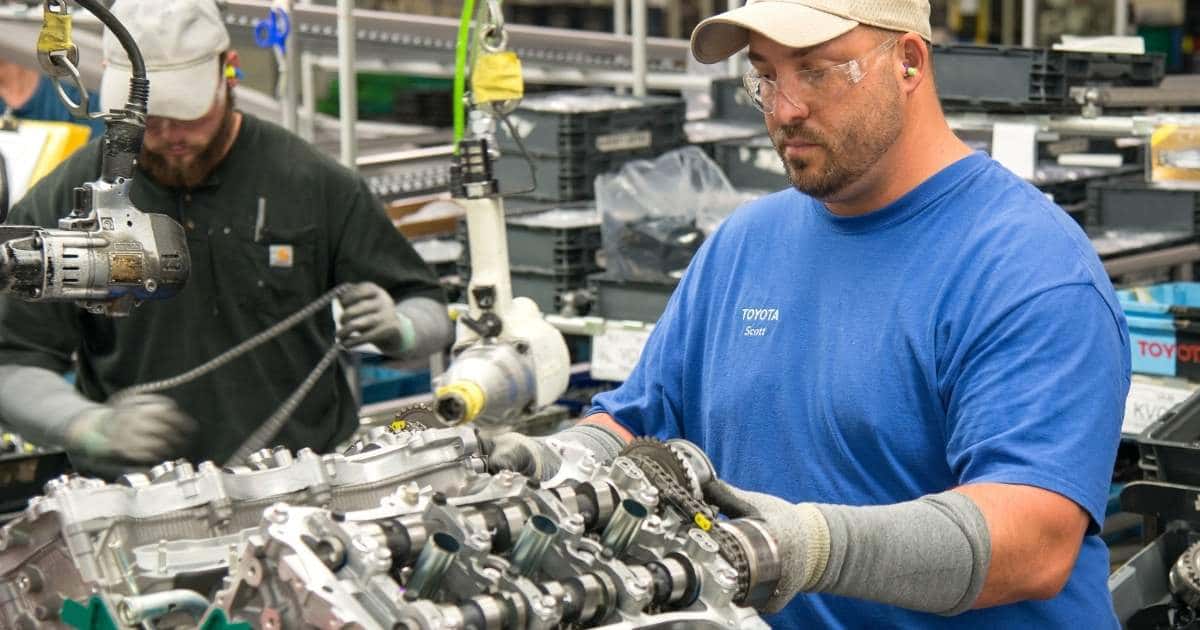
Understanding how a Toyota engine works helps drivers appreciate the careful engineering built into every model. When drivers research key systems, they want to know how components impact performance, which parts need the most attention, and how long major components will last. These questions often lead to a deeper interest in how engines stay reliable through routine care.
At McDonald Toyota Fort Morgan, we often hear questions about which systems play the most significant role in keeping an engine strong. Drivers want to understand how air and fuel mix, why cooling systems matter, and which performance items to check during service visits. These questions appear often in People Also Ask results, which shows how common they are among drivers. This guide brings together these topics in a clear, simple way so drivers can make informed choices.
How Engine Airflow Supports Smooth Performance
Airflow is one of the most essential elements in the combustion process. The engine must take in clean air so the fuel can burn as intended. Many drivers ask how often they should replace their engine air filter, and this question frequently appears in online searches. A clean filter prevents dust and debris from entering the combustion chamber. When the filter becomes clogged, air flows more slowly, and the engine can feel strained.
Another part of the airflow system is the mass airflow sensor. This sensor tells the engine computer exactly how much fuel to deliver at any moment. When people experience rough idling or hesitation, they often wonder if this sensor is involved. Regular inspections can identify issues early and ensure the engine receives the right amount of air for consistent performance. These components may seem simple, but they support dependable driving every day.
Proper airflow also affects fuel efficiency. When the engine receives an adequate mix of air and fuel, combustion is more complete, helping the vehicle run smoothly on long drives through northeastern Colorado. Many people ask what happens if they drive with a dirty filter or a failing sensor. The answer is that the engine works harder than it should, which can shorten the life of several connected systems. That is why air intake maintenance is a key part of long-term care.
Why Fuel Delivery Systems Matter For Reliability
The fuel system is another critical part of engine performance. Fuel injectors spray a fine mist of fuel into the cylinders so it burns efficiently. Many drivers ask how long fuel injectors last or what signs indicate that they need attention. When injectors become dirty, the spray pattern becomes uneven, which can cause rough acceleration or increased fuel use.
The fuel pump is another essential component. It moves fuel from the tank to the engine at a steady pressure. When drivers hear a humming noise from the rear of the vehicle or experience difficulty starting, they often wonder if the pump is wearing down. These concerns appear frequently in People Also Ask listings, indicating their prevalence.
Good fuel quality also plays a major role in system health. Contaminated fuel can affect injectors and pumps. Routine maintenance helps address these risks early. Most drivers never see these parts, yet they influence how smoothly a vehicle accelerates and how well the engine responds to daily driving conditions. Understanding how the fuel system works helps owners plan for timely care and recognize early symptoms.
The Role Of Ignition Components In Daily Driving
 The ignition system creates the spark that ignites the air-fuel mixture in each cylinder. Spark plugs play a central role in this process. Drivers often ask how frequently they should replace spark plugs. The answer depends on the type of plug and the vehicle’s mileage. When plugs wear down, the engine may misfire or lose power, affecting driving comfort.
Ignition coils are another key part of the system. These coils convert the battery’s voltage into the high voltage needed to create the spark. People often ask what happens when a coil begins to fail. The engine may shake, idle roughly, or turn on the check engine light. These symptoms can be alarming, but prompt care can resolve the issue before it affects other components.
The ignition system influences how smoothly a vehicle starts in cold weather, which is essential in northern Colorado. Regular checks help ensure the system remains strong throughout the year. When owners understand how these parts work together, they can better communicate with technicians when they notice changes in engine behavior.
Cooling System Components That Protect The Engine
The cooling system prevents the engine from overheating. The radiator, water pump, thermostat, and coolant work together to regulate temperature. Drivers often ask what causes engines to overheat and when to replace coolant. These questions reflect a genuine concern for long-term vehicle health.
The water pump circulates coolant through the engine, while the thermostat helps maintain a stable temperature. If either part begins to fail, the engine can heat up quickly. Drivers often report seeing steam coming from the hood or dashboard warning lights, which are clear signs the system needs attention.
The radiator also plays a significant role by efficiently allowing heat to escape. Over time, debris can accumulate on the radiator’s surface, reducing airflow and making it harder for the system to cool the engine. Regular inspections can help prevent overheating during long drives or warm summer days. Understanding these components helps drivers stay aware of early warning signs.
Performance Items That Enhance Engine Response
Performance items help the engine respond more smoothly during acceleration and provide better power delivery. Items such as improved air filters, performance spark plugs, and lightweight pulleys can improve airflow and combustion efficiency. Many drivers ask whether performance upgrades are worth it or how they affect fuel consumption.
Performance filters allow air to flow more freely into the engine, improving throttle response and enhancing engine breathing. Performance plugs also help ensure consistent ignition, especially during spirited driving or when merging onto highways. Lightweight pulleys reduce the load on the engine, which improves responsiveness in certain conditions.
Drivers sometimes wonder whether upgrading these parts affects long-term reliability. When parts are chosen carefully and installed correctly, they can complement the engine’s design. At McDonald Toyota Fort Morgan, our goal is to help drivers make informed choices. Understanding the purpose and effect of each performance item allows drivers to select components that meet their needs without unnecessary changes.
How Regular Maintenance Supports Engine Health
 Many drivers ask what routine maintenance is most important for engine life. The answer is that every component plays a role in overall performance. Airflow, fuel delivery, ignition timing, and cooling all need consistent care. When these systems stay healthy, the engine performs as intended.
People often ask how frequently to change oil, when to flush coolant, and how long spark plugs last. These questions reflect the concerns most drivers share. Following recommended service intervals helps prevent many issues from developing. Even small tasks such as checking filters or scheduling inspections can help identify problems early.
The service team at McDonald Toyota Fort Morgan works with these systems every day. While we do not oversell services, we provide guidance that helps owners understand what their vehicles need. Routine maintenance protects performance and supports long-term dependability.
Working With The Toyota Parts Center At Fort Morgan
Drivers often ask where they should get replacement components and which parts provide the best fit. The Toyota Parts Center at McDonald Toyota Fort Morgan carries items designed specifically for Toyota models. Using parts that meet factory standards helps support proper operation and lasting performance.
Many people also ask if they can install components themselves. Simple tasks may be manageable at home, but more complex systems benefit from professional installation. Our parts team helps drivers choose items that match their vehicle and their goals. Whether someone needs a new air filter, spark plugs, or cooling system components, having access to the right parts increases confidence during service visits.
The Toyota Parts Center provides support without pressure. The focus is always on helpful guidance so drivers can make informed decisions. Understanding which parts matter most makes maintenance easier and keeps vehicles performing as expected.
A Clear Path Toward Smarter Maintenance
Learning about engine components gives drivers a clearer view of how their vehicle works. Airflow systems, fuel delivery, ignition timing, cooling, and performance items all play a role in daily driving. When these parts receive proper care, the engine delivers consistent and reliable performance. Drivers who stay informed feel more prepared for maintenance decisions and long-term planning.
Suppose you would like help finding the right components for your Toyota or need guidance on service needs. In that case, the team at McDonald Toyota Fort Morgan is always ready to share information and support your maintenance goals.

0 comment(s) so far on Toyota Engine Components And Performance Items