

Service Schedules And Regular Care
Caring for a vehicle goes beyond filling the tank and driving from one destination to another. Every driver benefits from understanding the importance of service schedules and maintenance to keep a car in peak condition for years. If you are searching for a trusted Toyota Service Center, the foundation begins with understanding how to follow the correct timeline for your car.
At McDonald Toyota Fort Morgan, we see firsthand how small steps in care prevent bigger issues down the road. Many drivers wonder how often they should service their vehicles, whether oil changes are still necessary every 3,000 miles, or what items they can check before embarking on a long trip. These are common questions, and the answers depend on both manufacturer guidelines and your own driving habits.
Why Service Schedules Matter
A vehicle has thousands of parts working in unison. Over time, each part experiences wear and tear. Service schedules provide a plan for checking those systems before they fail. Following a schedule ensures your car remains safe, efficient, and dependable.
Drivers often ask, “What happens if I skip routine service?” The truth is that delayed maintenance can cause gradual damage that is not always immediately visible. For example, skipping a brake inspection might not cause issues in the short term, but wear and tear can suddenly become a costly repair. Consistent service helps identify problems early, which saves time and money.
Regular Oil Changes And Fluid Checks
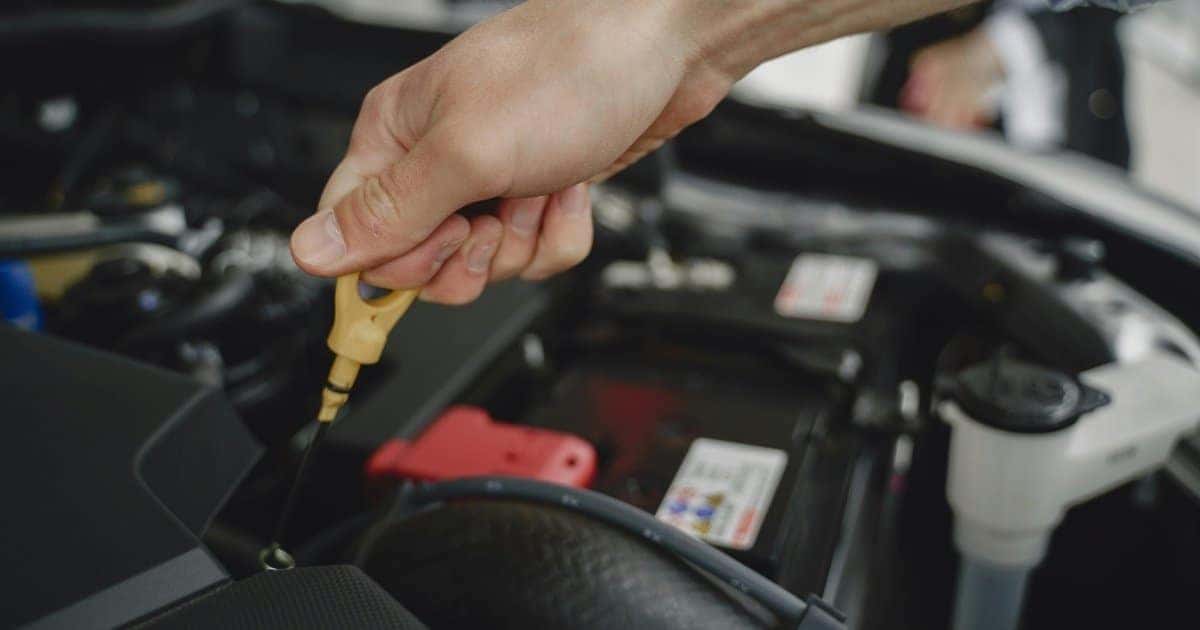
Engine oil is one of the most critical fluids in any car. Fresh oil keeps the engine cool, reduces friction, and prevents buildup. Many owners ask if modern vehicles can go longer without oil changes. While technology has advanced, following your vehicle’s specific recommendations remains the most effective way to maintain its optimal performance.
Other fluids, such as transmission fluid, coolant, and brake fluid, also require regular inspection. Drivers sometimes believe topping off fluids is enough, but replacing them at the proper intervals is essential. These fluids break down over time, losing their effectiveness. By scheduling checks, you ensure every system continues to run smoothly.
Tire Care And Rotation
Tires are the only point of contact between your car and the road, which makes their care critical. A common question is how often to rotate tires. The standard guideline is every 5,000 to 7,500 miles, but your driving conditions can affect this. If you frequently travel on rough roads or carry heavy loads, rotations may need to happen more often.
Regular tire inspections also reveal issues such as uneven wear, alignment problems, or low tread depth. Ignoring these signs can lead to reduced safety and poor fuel efficiency. Keeping tires properly inflated and balanced helps maximize their lifespan and boost overall performance with minimal effort.
Brake System Maintenance
 Brakes are essential to safe driving, yet many drivers only think about them when they start to squeak or feel soft. People often ask, “How do I know when my brakes need service?” Warning signs include longer stopping distances, vibrations when braking, or dashboard alerts.
Routine inspections at recommended intervals allow technicians to check pads, rotors, and brake fluid, which helps prevent dangerous situations on the road. By staying on top of brake maintenance, you avoid unexpected breakdowns and ensure your car stops when it matters most.
Battery Health And Replacement
Modern vehicles rely on electrical systems more than ever, making the battery even more vital. Many ask how long a car battery lasts. On average, a battery lasts three to five years; however, extreme temperatures in Colorado can shorten this timeline.
Checking battery health during routine service allows you to catch weak performance before it leads to being stranded. A simple test can confirm whether the battery is holding a charge. If a replacement is needed, doing it proactively avoids the stress of an unexpected failure.
Seasonal Care Considerations
Different seasons place unique demands on a vehicle. For example, Colorado winters require reliable heating, defrosters, and proper antifreeze levels to ensure safe driving conditions. In summer, cooling systems and air conditioning take on extra strain. Drivers often wonder if service schedules should change with the seasons, and the answer is yes. Adding seasonal checks to your routine can keep your car prepared for sudden weather changes.
Simple steps like inspecting wiper blades before winter storms and checking tire tread before wet spring roads can make a big difference. Seasonal care ensures your vehicle is ready for the unique conditions of Fort Morgan and the surrounding areas.
Long-Term Benefits Of Regular Care
Some drivers question whether following every detail of a service schedule really matters. The answer is clear: regular care extends the life of your vehicle and helps maintain resale value. Cars that receive consistent maintenance typically last longer and cost less to repair over time.
Think of it as an investment. Each appointment for oil changes, tire rotations or inspections adds to the longevity of your car. When it’s time to trade in or sell, a documented history of regular service makes your vehicle more appealing to potential buyers.
Working With Professional Service Experts
 Drivers can handle some maintenance at home, such as checking tire pressure or topping off windshield fluid, but they should leave other services to professionals. Complex systems, such as brakes, engines, and transmissions, require skilled attention. Many owners ask whether they should use independent shops or dealership service centers.
At McDonald Toyota Fort Morgan, our trained technicians follow manufacturer guidelines and use certified parts designed for your vehicle. Having service performed at a dedicated center ensures accuracy, safety, and long-term reliability. For those living in Fort Morgan and nearby areas, this local support provides peace of mind every time your vehicle is on the road.
Building A Maintenance Routine
The most challenging aspect of regular care is often remembering when to schedule it. Many drivers ask, “How do I keep track of all these intervals?” A simple solution is to follow your owner’s manual and use reminders. Some vehicles now include dashboard alerts or apps that notify you when service is due.
By creating a routine, maintenance becomes second nature rather than a last-minute task. Pairing service visits with milestones, such as seasons or mileage markers, keeps everything organized. Over time, this consistent habit pays off by reducing surprises and keeping your car dependable.
Conclusion: A Roadmap To Reliability
Service schedules and regular care are more than just recommendations; they are the blueprint for safe, efficient driving. By following these timelines, you protect not only your investment but also your peace of mind. Every oil change, tire rotation, or brake check adds to the overall reliability of your vehicle.
For drivers in Fort Morgan and surrounding communities, McDonald Toyota of Fort Morgan offers a trusted team ready to support your service needs. Whether it is routine maintenance or a larger repair, keeping up with scheduled care is the key to enjoying a vehicle that performs well for years to come.

0 comment(s) so far on Service Schedules And Regular Care