

Understanding Engine Oil And Why Regular Changes Matter

Engines operate under intense conditions every time a vehicle starts. Internal parts move rapidly, temperatures rise quickly, and precision components must work together without friction or damage. Engine oil plays a vital role in protecting the engine. Without proper lubrication, the metal components inside the engine would grind against one another, wearing out much faster. This is why routine oil change service is one of the most important maintenance steps for any vehicle.
Regular oil changes help maintain engine performance, improve reliability, and extend the life of the vehicle. Drivers in Fort Morgan, CO, and nearby communities such as Brush, Sterling, and Akron often rely on professional service centers to keep their vehicles running smoothly through changing seasons and daily driving conditions.
Drivers make better maintenance decisions when they understand how engine oil works and why it needs replacing regularly.
What Engine Oil Does Inside Your Vehicle
Many drivers know that oil lubricates the engine. However, engine oil performs several essential functions beyond simply reducing friction.
Lubrication That Protects Moving Parts
Inside the engine, components such as pistons, crankshafts, and camshafts move thousands of times every minute. These parts operate under high pressure and heat. Engine oil forms a protective film between metal surfaces, preventing them from scraping directly against one another.
This thin layer of lubrication helps reduce wear and ensures that parts move smoothly and efficiently. Without proper lubrication, engine components would overheat and deteriorate quickly.
Cooling and Heat Control
Engines generate significant heat during combustion. While the cooling system helps manage engine temperature, oil also plays an important role. Engine oil absorbs and redistributes heat away from internal components.
By circulating through the engine, the oil carries heat away from critical parts and helps maintain a balanced operating temperature. This process helps prevent overheating and contributes to the engine’s overall stability.
Cleaning and Contaminant Removal
Engine oil also acts as a cleaning agent. During normal engine operation, small particles such as dust, metal fragments, and carbon deposits can accumulate. The oil collects contaminants and carries them to the oil filter, where the filter can remove many of them.
This cleaning process helps keep internal engine surfaces clear of harmful buildup. Over time, however, the oil becomes saturated with debris and loses its effectiveness.
Why Oil Changes Are Necessary
Many drivers ask a simple question. If oil protects the engine, why does it need to be replaced? The answer is straightforward. Engine oil gradually breaks down over time, losing its protective qualities.
Oil Degradation Over Time
Heat, pressure, and contaminants slowly change the structure of engine oil. As oil ages, it thickens and flows less effectively through small engine passages.
When this happens, the oil can no longer lubricate parts efficiently. Reduced lubrication increases friction and accelerates wear on engine components.
Contaminant Buildup
Even though the oil filter removes many particles, some contaminants remain suspended in the oil. Over time, these particles accumulate and can create sludge or deposits inside the engine.
Fresh oil removes these contaminants and restores proper lubrication. That is why regular oil changes help protect long-term engine health.
How Often Should Drivers Schedule Oil Changes
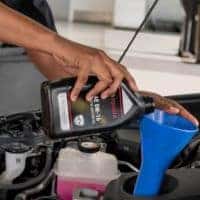 One of the most common questions drivers ask is how often they need an oil change. The answer can vary depending on the vehicle, engine design, driving habits, and the type of oil used.
Typical Oil Change Intervals
Modern vehicles often recommend oil changes every 5,000 to 7,500 miles, though some synthetic-oil vehicles may extend that interval.
However, many factors influence the ideal schedule. Short trips, frequent stop-and-go traffic, heavy loads, or extreme temperatures can accelerate oil degradation.
Drivers in northeastern Colorado may experience seasonal temperature swings, which can affect engine operation and oil performance. Regular maintenance inspections help determine the best oil change schedule for each vehicle.
Signs That Your Vehicle May Need an Oil Change
In some cases, the vehicle may show signs that the oil needs attention. These signs include:
• Reduced engine performance
• Unusual engine noise
• Dark or dirty oil on the dipstick
• Dashboard oil maintenance reminders
Many modern vehicles include sensors that monitor oil life and notify drivers when service is due.
The Difference Between Conventional and Synthetic Oil
Not all engine oils are the same. Understanding the differences helps drivers choose the best option for their vehicle.
Conventional Engine Oil
Conventional oil, refined from crude oil, offers reliable lubrication for many engines and works well in standard driving conditions. However, it typically breaks down more quickly under intense heat or heavy workloads.
Synthetic Engine Oil
Synthetic oil offers enhanced durability and performance compared to standard oils. It resists breakdown, flows more readily at cold temperatures, and maintains stability at high engine temperatures.
Because of these properties, synthetic oil is a standard recommendation for many modern vehicles. Synthetic oils also help maintain engine cleanliness and may allow for longer oil-change intervals.
Why Professional Oil Change Service Matters
Although oil changes appear simple, professional service ensures technicians complete them properly.
Proper Oil Selection
Every vehicle requires a specific oil viscosity and specification. Using the wrong oil can affect engine performance and fuel efficiency. Trained technicians verify manufacturer recommendations and use the appropriate oil for the vehicle.
Inspection During Routine Service
An oil change appointment often includes additional inspections that help detect issues early. Technicians may check fluid levels, filters, belts, hoses, and tire condition.
This extra attention helps identify small problems before they become costly repairs. Drivers in Fort Morgan, CO, often rely on experienced service teams to provide this type of preventative maintenance.
How Regular Oil Changes Extend Engine Life
 Engines last for many years when properly maintained. Routine oil change service plays a key role in achieving that longevity.
Reduced Internal Wear
Fresh oil maintains a protective layer between engine components. This lubrication reduces metal-to-metal contact and helps preserve the condition of critical parts. Lower wear means the engine continues operating smoothly over time.
Improved Fuel Efficiency
Clean oil helps the engine run more efficiently. When parts move freely with proper lubrication, the engine does not need to work as hard. This improved efficiency can contribute to better fuel economy and smoother driving performance.
Better Long-Term Reliability
Vehicles that receive regular maintenance often experience fewer mechanical problems. Consistent oil changes help maintain stable engine performance and prevent sludge buildup.
Over a vehicle’s lifespan, this routine service can significantly affect reliability.
The Importance of Maintenance for Drivers in Fort Morgan
Drivers in Fort Morgan, Brush, Sterling, and Akron rely on their vehicles for errands and travel across northeastern Colorado. Maintaining the engine helps ensure that vehicles remain dependable year-round.
Dusty roads, changing temperatures, and daily driving can place additional stress on engines. Regular oil change service helps protect engines against these conditions and keeps vehicles operating efficiently.
At McDonald Toyota Fort Morgan, drivers benefit from experienced technicians who understand the maintenance needs of modern vehicles. With a full-service center and factory-trained professionals, the dealership helps customers maintain their vehicles with confidence.
Routine maintenance does more than prevent problems. It is about protecting the investment drivers make in their vehicles and ensuring dependable performance for years to come. When drivers understand the role of engine oil and the value of timely maintenance, it becomes easier to keep vehicles running smoothly throughout their lifespan.
Frequently Asked Questions
What does engine oil do in a car engine?
Engine oil lubricates moving parts, reduces friction, and helps control engine temperature. It also collects contaminants and carries them to the oil filter, helping keep the engine clean.
How often should I get an oil change service?
Most modern vehicles require an oil change every 5,000 to 7,500 miles. The exact interval depends on the vehicle, driving habits, and the type of oil used.
What happens if I skip an oil change?
Skipping oil changes can allow oil to break down, lose its ability to lubricate the engine, and increase friction, leading to sludge buildup and premature engine wear.
Is synthetic oil better than conventional oil?
Synthetic oil generally performs better under extreme temperatures and resists breakdown longer than conventional oil. Many newer engines work best with synthetic oil.
Can I drive with dirty engine oil?
Driving with dirty oil is not recommended. Contaminated oil cannot properly protect engine components and may lead to increased wear or potential engine damage over time.

0 comment(s) so far on Understanding Engine Oil And Why Regular Changes Matter