

What Makes the Toyota 4Runner Different From Crossover SUVs
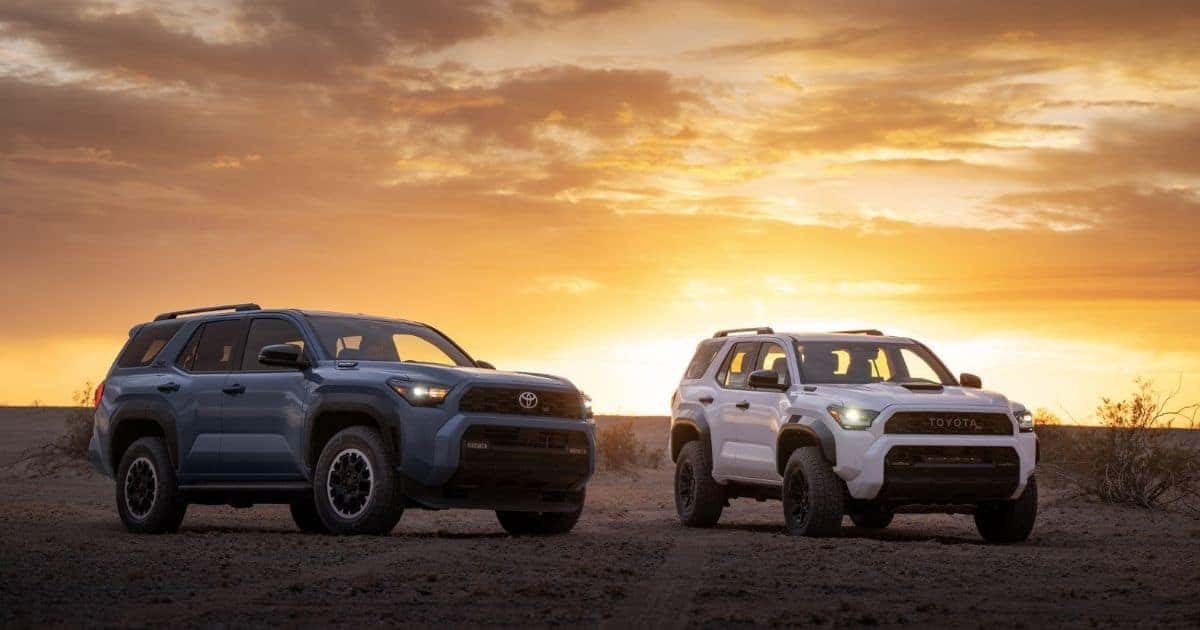
The SUV market offers more choices than ever before. While many shoppers use the terms SUV and crossover interchangeably, the two vehicle types are not always the same. Understanding these differences can help buyers choose a vehicle that better matches their lifestyle and driving needs.
The Toyota 4Runner remains one of the few midsize SUVs that continues to follow a traditional SUV formula. While many competitors have shifted toward crossover construction, the 4Runner stays focused on durability and versatility. For drivers in Fort Morgan, CO, and nearby communities like Brush, Sterling, and Akron, these distinctions can have a meaningful impact on daily driving and long-term ownership.
Understanding the Key Differences Between SUVs and Crossovers
Many shoppers wonder what sets SUVs and crossovers apart. The answer largely comes down to vehicle build and the platform each vehicle uses.
Body On Frame Versus Unibody Construction
Manufacturers build most crossover SUVs using a unibody design, in which the vehicle’s body and frame function as a single unit. This approach often improves ride comfort, handling, and overall fuel economy.
The Toyota 4Runner uses body-on-frame construction, similar to that of pickup trucks. This setup provides additional strength and durability, making it well-suited for towing, off-road driving, and demanding conditions.
Because of this design, the 4Runner offers a different driving experience than many crossover SUVs. It prioritizes capability and toughness over maximizing on-road refinement.
Why The Design Matters
Vehicle construction influences everything from handling to long-term durability. Crossovers generally appeal to drivers who spend most of their time navigating the streets.
Drivers seeking greater towing strength, durability, and off-road confidence frequently gravitate toward traditional SUVs like the Toyota 4Runner. Whether traveling on gravel roads, towing equipment, or exploring outdoor destinations, a stronger platform can provide added confidence.
The Toyota 4Runner Focuses On Capability
One of the biggest differences between the 4Runner and many crossovers is its emphasis on off-road performance.
Off-Road Readiness
Toyota designed the 4Runner to excel beyond paved roads, delivering the durability and capability drivers expect from a rugged SUV. Features such as available four-wheel drive, generous ground clearance, and specialized terrain management systems help it handle challenging conditions.
Most crossover SUVs are engineered primarily for pavement. While they can handle light outdoor travel, they are typically not built for the same level of rugged use. Many drivers choose the Toyota 4Runner because it offers greater capability than most crossover SUVs, particularly in demanding conditions.
 Towing And Utility
Many drivers need a vehicle that can do more than transport passengers. The 4Runner’s strong structure supports towing and hauling tasks with confidence.
Crossovers often prioritize comfort and efficiency, which can limit their utility in demanding situations. The Toyota 4Runner balances passenger comfort with practical capability, making it attractive to drivers with active lifestyles.
Fuel Economy And Gas Mileage Considerations
A common question among SUV shoppers involves gas mileage, mpg, and overall fuel economy.
Why Crossovers Often Have Better Fuel Economy
Because most crossovers are lighter and use unibody construction, they typically achieve better fuel efficiency. Reduced weight helps improve mpg and lowers fuel consumption during everyday driving.
Drivers focused primarily on commuting may appreciate the efficiency advantages offered by many crossover models.
The Toyota 4Runner Takes A Different Approach
The Toyota 4Runner prioritizes durability and capability over maximum fuel economy. Its body-on-frame design, higher ground clearance, and rugged engineering contribute to distinct strengths.
Although certain crossover SUVs achieve higher gas mileage, the Toyota 4Runner appeals to drivers who prioritize capability and long-term utility. Choosing between the two often depends on individual driving needs and expectations.
Interior Space And Practicality
Interior design is another area where traditional SUVs and crossovers differ.
Flexible Cargo Capacity
The Toyota 4Runner brings together practicality and capability with a roomy, configurable cabin built to support active lifestyles. Comfortable seating and expansive cargo space ensure it is ready for everything from family road trips to everyday errands. Many crossover SUVs also provide flexible cargo areas. However, the 4Runner’s rugged nature often appeals to drivers who regularly transport equipment, camping supplies, or recreational gear.
Comfort For Everyday Driving
Despite its rugged reputation, the 4Runner remains comfortable for daily use. Modern features, supportive seating, and practical controls help create an enjoyable driving experience. Drivers looking for a balance between utility and comfort often appreciate the 4Runner’s straightforward interior design.
 Long-Term Durability And Ownership
Many vehicle shoppers think beyond immediate needs and consider how a vehicle may perform years down the road.
A Reputation For Reliability
The Toyota 4Runner has earned a reputation for long-term dependability. Its durable engineering appeals to drivers who want a vehicle capable of handling years of use and changing driving conditions.
This focus on reliability contributes to strong owner confidence and can support long-term value retention.
Maintaining Your 4Runner
Proper maintenance helps any vehicle perform at its best. Many owners choose genuine Toyota accessories and factory-designed components to personalize their vehicles while maintaining compatibility and quality.
Whether adding cargo solutions, protection accessories, or appearance enhancements, Toyota accessories can help drivers tailor their 4Runner to match their lifestyle and driving needs.
How The 4Runner Compares To Other Midsize SUVs
When researching SUVs, it is important to look at the broader segment as well. In our related article, “How Does the Toyota 4Runner Compare to Other Midsize SUVs,” we explored how the 4Runner stacks up against competitors in areas such as durability, towing performance, and long-term ownership value.
That comparison highlights an important point. While many midsize SUVs have moved toward crossover-focused designs, the Toyota 4Runner continues to offer a traditional SUV experience that appeals to buyers seeking rugged capability and proven durability.
Why The Toyota 4Runner Appeals To Colorado Drivers
Colorado drivers often encounter a wide variety of road conditions throughout the year. Highways, gravel roads, winter weather, and outdoor adventures can all place different demands on a vehicle.
The Toyota 4Runner offers versatility that supports a range of driving situations. Its combination of durable utility and capability makes it a practical choice for drivers throughout Fort Morgan, Brush, Sterling, and Akron.
While crossover SUVs may offer advantages in fuel economy and urban driving comfort, the 4Runner remains a compelling option for those who value strength, flexibility, and confidence behind the wheel.
Final Thoughts On The Toyota 4Runner And Crossover SUVs
The difference between a traditional SUV and a crossover goes beyond appearance. Construction and intended use all play important roles in how a vehicle performs.
The Toyota 4Runner stands apart because it continues to embrace traditional SUV strengths. Its body-on-frame construction, off-road capability, towing confidence, and long-term reliability make it different from many crossover SUVs on the market today.
For drivers in Fort Morgan, CO, and nearby communities, understanding these differences can make it easier to choose the SUV that best fits their daily needs and adventures. If you’re considering a Toyota 4Runner, the team at McDonald Toyota Fort Morgan can help you explore its features, compare your options, and find the right vehicle for your lifestyle with confidence.

0 comment(s) so far on What Makes the Toyota 4Runner Different From Crossover SUVs